
Free Zone
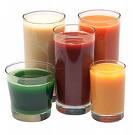
Juice Fasting (Daniel 1:10-17)
Looking at the physical benefits of spiritual fasting, Daniel the prophet at one point dares Melzar (whom the prince of the eunuchs had set over Daniel) to let him eat only water and vegetables for ten days and at the end of that period compare his appearance to that of others who ate meat and other fatty foods (Daniel 1:12-13).
The scriptures indicate that at the end of the ten days Melzar was amazed to see that Daniel and his friends looked younger and healthier than all the others.
So notable was the difference that Melzar actually decided at that point to change the menu altogether and put everyone on water and vegetables. Juice fasting is precisely that - water, fruits and vegetables (minus the non-soluble fiber).
3-Day Juice Fast
Friday
- Eat light today (i.e., salads, vegetables, soup, fruit, nuts) No dairy, meats, or breads.
Saturday
- Make fresh juice first thing in the morning (drink a glass of water after the juice)
- Continuously drink water until it is time to make juice again around lunch-time
- Make lunchtime juice (drink a glass of water after the juice)
- Herbal Tea can be consumed (if needed, can be lightly sweetened w/ REAL Maple syrup or raw honey not sugar).
- Continuously drink water until it is time to make juice again around dinner-time
- Make dinner juice (drink a glass of water after the juice)
- Take a colon-cleansing supplement earlier in the day (or the night before).
- Make more juice if desired (drink a glass of water after the juice)
- Before bed-time (Herbal Tea can be consumed)
Sunday
- Same as Saturday
Monday (Make enough juice to take to work in a thermos)
- Same as Saturday
Tuesday
Morning- Eat fruit and make a small glass of non-citrus juice (drink a glass of water)
- Continuously drink water
- Can start introducing citrus juices
- Salad (no bacon, croutons, bread, only vegetables, very light on the dressing)
- Continuously drink water
- Herbal Tea can be consumed
- More salad or fruit and vegetable soup, can have lightly steamed vegetables
- Before bed-time (Herbal Tea can be consumed)
Wednesday until next time
- Gradually introduce solid foods back into diet (be very cautious not to overeat!!)
- Start the cycle over again
- You may want to start off with a 1-day diet first (the 1-day diet process can be completed by following the Friday, Saturday, and Tuesday steps). The 1-day diet only has to be done 1 time, and should be initiated 1 week before your first 3-day diet.
- DRINK WATER ALL DAY LONG!! - VERY VERY IMPORTANT (Drink more water than juice).
- Take a cleansing product daily or every other day during the diet. This is important because you must not let the loosened toxins get reabsorbed back into your system.
- Rest, pray and/or meditate.
- If you can, use only organic fruits/vegetables throughout the diet. Try buying produce from Whole Foods Market. If you cannot afford (or gain access to) organic produce, buy a cleaning solution. Note: You will need a juicer.
- No citrus juices or tomato during the diet. (Refer to Nutritional Healing book - Fast section).
- Drink only fresh juices. Store bought juices will not provide the nutrients you NEED during your diet. NO Store bought juices!!
- Drink as much juice as you need, and drink it immediately after you make it. The juicing process is violent and the nutrients quickly diminish from the juice.
- When the diet is over do not eat heavy foods immediately, as this will ruin all the benefits of the diet. YOU CAN ALSO BECOME VERY SICK IF HEAVY FOODS ARE EATEN IMMEDIATELY AFTER THE DIET.
- Weight-loss is a byproduct of the diet. Juice dieting cleans the blood, eliminates waste, and harmful chemicals, and provides an opportunity to get in tune with the spirit and soul.
- Try to diet around the same weekend each month.
- You will probably lose 4-12 pounds during the 3-day diet. (Weigh yourself on Friday morning and the morning of Tuesday to find out how much you lost).
- The goal before the next diet is to keep off at least 2-5 pounds from the prior diet.
- Weigh yourself once a week to keep track of your weight increase between diets. This will also help you to regulate if you see the weight coming back to soon - stop eating so much!!
- If you lose 2-5 pounds a month, you will lose at LEAST 24 to 60 pounds in one year. Exercise and responsible eating between diets will increase the total weight loss by 2 - 3 pounds per month!
- Make sure you exercise regularly (but not during the diet).
- Read Prescription for Nutritional Healing by Dr. James Balch to familiarize yourself with some of the transitional things that may occur to your body because of the release of built up toxins (for example: headaches, weakness, body aches, hunger pangs, coldness, acne, etc.) It is suggested that drinking plenty of water, resting, and taking a colon cleanser daily will help reduce these ailments. Every time a diet is done the ailments will dissipate. Your body has a lot of built up toxins, and because of this fact, the earlier diets will be more difficult.
- Do not juice diet if you need to eat food when you take medication, are pregnant, nursing, under age 15, hypoglycemic, under-weight, have diabetes, hyperthyroid, Wilson’s Syndrome or impaired kidney function.
Juice Dieting has also been proven to help the following conditions (not an all inclusive list):
- Allergies
- Addictions (i.e., eating, smoking, drugs, alcohol, etc.)
- Asthma
- Hay Fever
- Hives
- Migraines
- Obesity
- Insomnia
- High Blood Pressure
- Acne
- Rheumatism
- Ulcers
- Liver Problems
- Gall Stones
- Constipation
- Diarrhea
Juice Fasting Stages of Detoxification
The Different Juice Fasting Stages of Detoxification
A single cell within the human body is more complex than the most modern supercomputer. The process of removing a hundred thousand antigens, each with unique molecular properties, from trillions of functioning cells is indeed a complex process. Imagine three trillion cells being repaired during the function of countless biochemical processes needed for life. Even the best mechanics have to turn off the engine. Yet, the body has millions of micro mechanics that do this with ease.
One of the body’s automatic maintenance processes is the destruction of foreign microorganisms. When looking through a dark-field microscope, countless parasites are clearly visible. I observed parasites living inside blood cells. Several could be seen eating cholesterol, and I was amazed to see one swim. Watching lymphocytes moving in the blood was like a science-fiction movie. These complex, lymphocyte organisms attached themselves and engulfed toxins. As they did, their colorations flowed into fascinating patterns leaving me with a sense of wonder and respect for the miraculous ability and infinite complexity of the human body.
Fasting Detoxification Stages
Here is an overview of the detoxification stages during a juice fast. The time periods are a general estimation.
Stage 1 (Day 1 To Day 2)
On the first day of fasting, the blood sugar level drops below 70 mg/dl. To restore the blood to the normal glucose level, liver glycogen is converted to glucose and released into the blood. This reserve is enough for half a day. The body then reduces the basal metabolic rate (BMR). The rate of internal chemical activity in resting tissue is lowered to conserve energy. The heart slows and blood pressure is reduced. Glycogen is pulled from the muscle causing some weakness. The first wave of cleansing is usually the worst.
Headaches, dizziness, nausea, bad breath, glazed eyes and a heavily coated tongue are signs of the first stage of cleansing. Hunger can be the most intense in this period unless the colon cleanse is used which quickly assists the body into the fasting state by ending digestion in the colon.
Stage 2 (Day 3 To Day 7)
Fats, composed of transformed fatty acids, are broken down to release glycerol from the gliceride molecules and are converted to glucose. The skin may become oily as rancid oils are purged from the body. People with problem-free skin may have a few days of pimples or even a boil. A pallid complexion is also a sign of waste in the blood. Ketones are formed by the incomplete oxidation of fats. It is suspected that the ketones in the blood suppress the appetite by affecting the food-satiety center in the hypothalamus. You may feel hungry for the first few days of the fast. This effect is temporary. The desire to eat will disappear. Lack of hunger may last 40 to 60 days, depending on whether you are on water or juice.
The body embraces the fast and the digestive system is able to take a much-needed rest, focusing all of its energies on cleansing and healing. White blood cell and immune system activity increases. You may feel pain in your lungs. The cleansing organs and the lungs are in the process of being repaired. Periodically, the lymphatic system expels mucoid matter through the nose or throat. The volume excreted of this yellow-colored mucus can be shocking. The sinuses go through periods of being clogged, then will totally clear. The breath is still foul and the tongue coated. Within the intestine, the colon is being repaired and impacted feces on the intestinal wall start to loosen.
Stage 3 (Day 8 to Day 15)
On the latter part of an extended fast, you can experience enhanced energy, clear-mindedness and feel better than you have felt since childhood. On the downside, old injuries may become irritated and painful. This is a result of the body's increased ability to heal during fasting. If you had broken your arm 10 years before, there is scar tissue around the break. At the time of the break, the body's ability to heal was directly related to lifestyle. If you lived on a junk-food diet, the body's natural healing ability was compromised.
During fasting, the body's healing process is at optimum efficiency. As the body scours for dead or damaged tissue, the lymphocytes enter the older, damaged tissue secreting substances to dissolve the damaged cells. These substances irritate the nerves in the surrounding region and cause a reoccurrence of aches from previously injured areas that may have disappeared years earlier. The pain is good as the body is completing the healing process. The muscles may become tight and sore due to toxin irritation. The legs can be the worst affected, as toxins accumulate in the legs. Cankers are common in this stage due to the excessive bacteria in the mouth. Daily gargling with salt and water will prevent or heal cankers.
Stage 4 (Day 16 to Day 30)
The body is completely adapted to the fasting process. There is more energy and clarity of mind. Cleansing periods can be short with many days of feeling good in between. There are days when the tongue is pink and the breath is fresh. The healing work of the organs is being completed. After the detoxification mechanisms have removed the causative agent or render it harmless, the body works at maximum capacity in tissue proliferation to replace damaged tissue. While a short fast will reduce the symptoms, a longer fast can completely heal. Homeostatic balance is at optimum levels. The lymphatic system is clean except for a rare discharge of mucus through the nose or throat. After day 20, the mind is affected. Heightened clarity and emotional balance are felt at this time. Memory and concentration improve.
Stage 5 (Breaking the Fast)
The sticky, toxic, mucoid coating on the intestinal wall is loose, and the first meal frees it from the intestinal wall. Toxins enter the blood through the colon. The gallbladder dumps its waste in a heavy discharge of bile. This can cause an instant bowel movement upon eating followed by intense diarrhea.
Cleansing Your Thought Life
Our imagination can create a work of art or a horror movie. When our thought life is negative, we live the horror movie. Philippians 4:4 states, whatever is true, whatever is noble, whatever is right, whatever is pure, whatever is lovely, whatever is admirable-if anything is excellent of praiseworthy-think about such things…and the God of peace will be with you. During the fast, fill your imagination with thoughts of being thin, happy and energetic. See yourself eating healthy, and enjoy the feeling of being healthy. Dwell on the desire you have to be healthy. See the unhealthy foods damaging your body and hate them. Do these mental exercises repetitively like you are going to the gym. There is no set pattern or timing, but the more you think good thoughts the better you will feel and self-discipline will come naturally. Do it driving to work or during laundry. Do it till it becomes a lifestyle.
Structure
In observing people, looking for clues as to how to develop self-discipline, I was struck by a common denominator. Disciplined people create structure in their lives. A healthy, structured lifestyle, whether coming naturally or through resolute work, assuredly makes a tremendous difference in how you will feel both mentally and physically.
Nothing is built without a proper blueprint. The new structure of your life must also have a blueprint and a plan. It is time for you to draw the blueprint for your health. The structure needed to have victory over addiction should have healthy activities, be balanced and allow time for being at peace, enjoying creative pursuits and reading encouraging literature.
Focus On The Plan
Moving forward with a blurry image of your goals is like driving down a dark, winding, country road with your lights covered in mud. Eventually, you lose your direction. The key to self-discipline is in maintaining a focused state of mind toward a goal. Reading, thinking and talking about your goals gets the mind focused. Create charts to visualize your progress. After waking up, take a few moments to dwell on the things you wish to attain throughout the day. Think of the commitments you have made to yourself and strengthen them by thinking of all the positive improvements that are now visible in your life. Before sleeping, create in your mind pictures of yourself marching through the day accomplishing the goals you have set before you.
Avoid Triggers
If you are trying to quit coffee, don't hang around coffee shops. If you are trying not to eat junk, don't leave it in the house. If you have to drive to the store for chocolate, it becomes more difficult to satisfy the desire. Put as much distance as you can between you and the addiction.
Examining Addictions Misconceptions
Addiction holds its position in our life through misconceptions. To quit any addiction, you have to strip away the misconception and weigh the good and the bad. Draw up a list and look seriously at what you consider the benefits of the habit.
You may drink coffee to stay awake. In reality, your body is so use to running on caffeine; it needs it to be normal. You may think cigarettes are an enjoyable activity. In reality, the enjoyment comes from satisfying an addiction. You may feel the need to smoke when under pressure. In reality, your nerves are so affected by nicotine that any pressure sets them off. You may believe that you will gain weight if you quit smoking. In reality, when you quit smoking food will taste better which is a good thing. You may believe that if you quit smoking you will turn into a raving maniac for two days. In reality, it only takes two days to get through the worst part of this addiction. You may believe that you have more fun after a few drinks. In reality, your fun with alcohol is destroying the body, costing money and making you feel bad in the morning. You may believe that cocaine is exciting. In reality, you are so desperate for a thrill that you are willing to make dangerous alterations to the chemistry of your body. You may believe that chocolate is one of your few pleasures in life. In reality, if chocolate is your only pleasure, it is time to be adventurous.
Anger As A Tool
A man once bought a very expensive suit for a formal occasion. On the way to the event, an ash fell from his burning cigarette onto his lap. Before he noticed it, the ash burned a hole through both the suit coat and the pants. In a rage, the man crumpled the pack of cigarettes, threw it out the window and never smoked again. Previously he had smoked three packs a day.
Anger is a powerful weapon against addictions and habits. If you can see clearly what destruction it is causing and get angry at it, you will build the determination to quit. If your decision is unshakable and resolute, you will not fail due to temptation! Make a list of all the harmful effects of your addiction and get angry.
Drink Recipes
A useful inclusion in a healthy diet plan is making fruit juices and smoothies. These are very nutritious, thirst quenching, hunger satisfying alternatives to the ubiquitous carbonated and excessively sweetened beverages.
It takes a little planning, but we should take the time and make the effort to plan such an important part of our life as our health and longevity.
There are many delicious combinations of fruits. The very juicy fruits such as pears and grapes may be combined with a host of different berries, such as strawberries, blueberries to make 'to die for' flavors. Apples are a standard staple for juicing. Peaches, and cherries in season are excellent.
You might experiment by juicing a variety of fruits separately and blend combination in a small container to determine what you like the best. As the seasons progress and we go from strawberries to blackberries, and peaches to apples, we have an extensive palate of flavors to blend into a cornucopia of delicious variations.
Of course, you will want to use fruits at their juicy best. I see people eating hard pears, peaches and plums. They may look pretty but they lack the flavor and nutrition, the 'deliciousness' of the fully ripened fruit. Most commercially grown fruits are picked and shipped green and are intended to be ripened at the point of delivery. Plums are a good example of this practice. They are full formed but not fully ripe when you bring them home. (Ideally, you would buy tree ripened fruit ready to eat, but this is not how commercially grown fruit is handled. A trip to a farmer's market is a treat when you find fully ripe and ready to eat fruit in all its glory.) The fruit should be kept in a warm place and covered with a paper bag to hold in the ripening gas (ethylene) that is emitted by the green fruit. The warmer the fruit and the more gas is retained, the faster the fruit ripens.
This offers the opportunity to control the ripening speed so a relatively large supply of fruit will not ripen all at once, the fruit that is kept cool and ventilated will not ripen at the rate that warm and enclosed fruit will ripen. The ripening process converts starch to sugar, the texture becomes soft and juicy, and the acid nature of the green fruit becomes neutral. The fruit becomes aromatic and smells' ripe'. Then it is at its most nutritious and delicious best.
On the other hand, strawberries are not ripened by ethylene but by genes. As the berry ages, more ripening genes are developed to accelerate the ripening process.
FRUIT JUICE RECIPES
1/4 lemon
1/2 inch fresh ginger (less if you find the taste too strong)
1/2 lime
handful of grapes
sparkling mineral water
Remove the grapes from the stem. Juice the apple and ginger together, then juice the rest of the fruit. Pour the juice in a large glass and fill to the top with sparkling water and serve with ice.
3 apples or 1 cup apple cidar
Process through a juicer and serve.
1 apple, cored and sliced
1 pear, sliced
Process through a juicer and serve.
1 apple, cored and sliced
1/2 orange, peeled and sectioned
Process the fruit in a juicer and serve.
1/2 cup raspberries, fresh or thawed from frozen
1 nectarine, pitted and sliced
Process the fruit in a juicer and serve.
1/2 mango, peeled and sliced
1 orange, peeled and sectioned
sparkling mineral water
Process the fruit in a juicer. Pour the juice in a large glass and fill to the top with sparkling water and serve.
3/4 cup blueberries
1 apple, cored and sliced
Process the fruit in a juicer and serve.
2 med. apples
1 tsp. lemon juice
--------------------------------
1/2 red grapefruit
1 med. orange
2 handfuls cranberries
--------------------------------
1 pear
1 peach
1 apple
--------------------------------
1 orange
1 mango
1 apple
VEGETABLE JUICE RECIPES
4 medium carrots, greens removed
1 stalk celery
1/2 lemon, peeled (optional)
1/4 medium cucumber, peeled
Process the ingredients in a juicer and serve.
3 medium carrots, greens removed
1/2 green pepper, sweet
4 leaves romaine lettuce
1/2 lemon, peeled (optional)
1 tomato
Process the ingredients in a juicer and serve.
1 apple
3 medium carrots, greens removed
small handful fresh parsley
1/2 lemon, peeled (optional)
Process the ingredients in a juicer and serve.
1 celery stalk
1 small sweet potato
1 apple
1/2 lemon, peeled (optional)
Process the ingredients in a juicer and serve.

